






















.jpg "Kaitlyn Aurelia Smith Launches Label With New Album Ruin: Its Not Just Music")


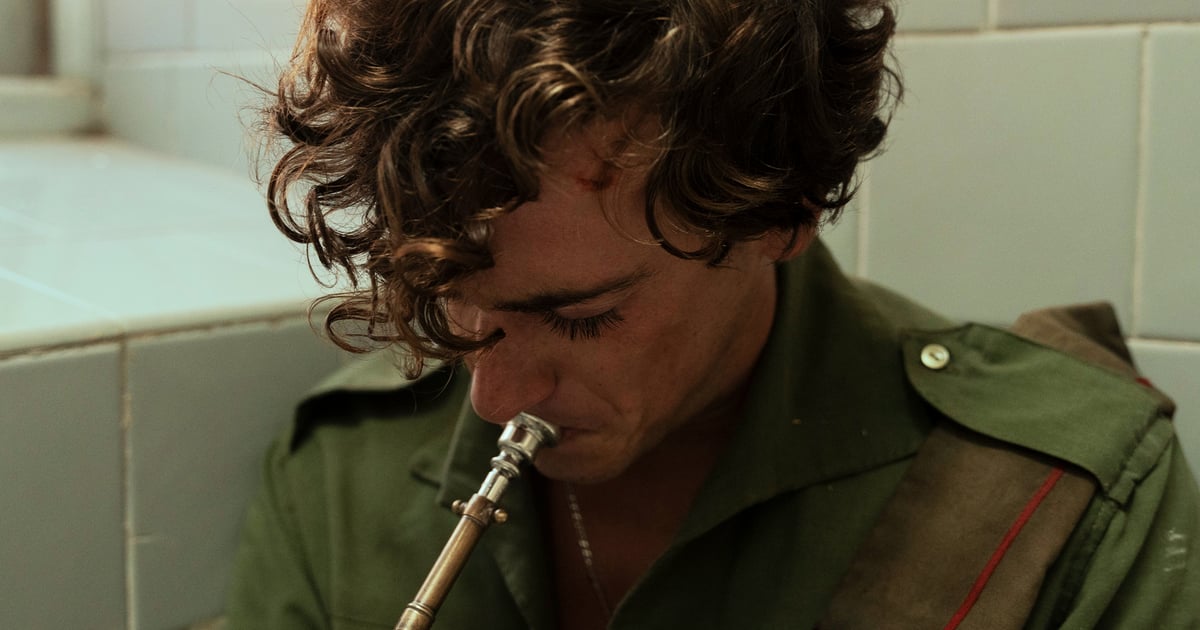









In Valeska Grisebach’s last film, from 2017, aGerman laborer in Bulgaria to work on an infrastructure project explores the hillsides around aBulgarian village on foot and horseback, wandering through arugged landscape populated by wary natives and rowdy outsiders, ataciturn loner facing down his rivals in aseries of masculine standoffs. Though set in the present day, and alluding to the wider dynamics between the EU’s haves and have-nots, the film was accurately titledWestern. Her long-anticipated new feature is also set in Bulgaria, and is likewise amoral tale about contemporary economic realities shaped around the contours of aclassic Hollywood genre –The Dreamed Adventurecould be calledNoir. Layered and leisurely, it keeps accumulating interest and significance for its entire 167-minute runtime. It was worth the wait, andmore.
Syuleyman Letifov, who played avillage operator inWestern, is what counts for afamiliar face among the German Grisebach’s cast of Bulgarian nonprofessionals (the credits are in both German and Bulgarian). He plays Said, amember of Bulgaria’s Muslim Pomak minority, who drives down to Svilengrad, near the Greek and Turkish border, in the film’s casually masterful opening sequence, acar journey through landscapes that change with the weather, rumbly hairpin mountain turns giving way to bleak drags through farmland to the sprawl of arterial roads past drab gas stations and shuttered casinos, acultural geography that mirrors in miniature the rapacious capitalist transformation of the society in which the story will takeplace.
Get more Little WhiteLies
Said is there to buy black-market diesel from asmuggler called “the Raven” – asmall-time deal for Said, who used to live in Svilengrad during the gold-rush years of the early 90s after the fall of the Iron Curtain, when even pay toilets were big business, and all you had to do to get agirl, one local gangster nostalgically recalls, was open up the door of your car. These days, Polish women who work at anearby solar panel factory are shuttled every day to and from an otherwise abandoned hotel, aformer mafia hangout which may still have aweapons cache stored somewhere in the wall, like ancient artifacts. The Raven is rumored to be involved in human trafficking, making him arival to Svilengrad’s kingpin Iliya (Stoicho Kostadinov), with whom Said has along history. He’s offered achance to start making some real money again, but seems to only want to stay in town long enough to track down the sister of aman who was notoriously murdered about 30yearsago.
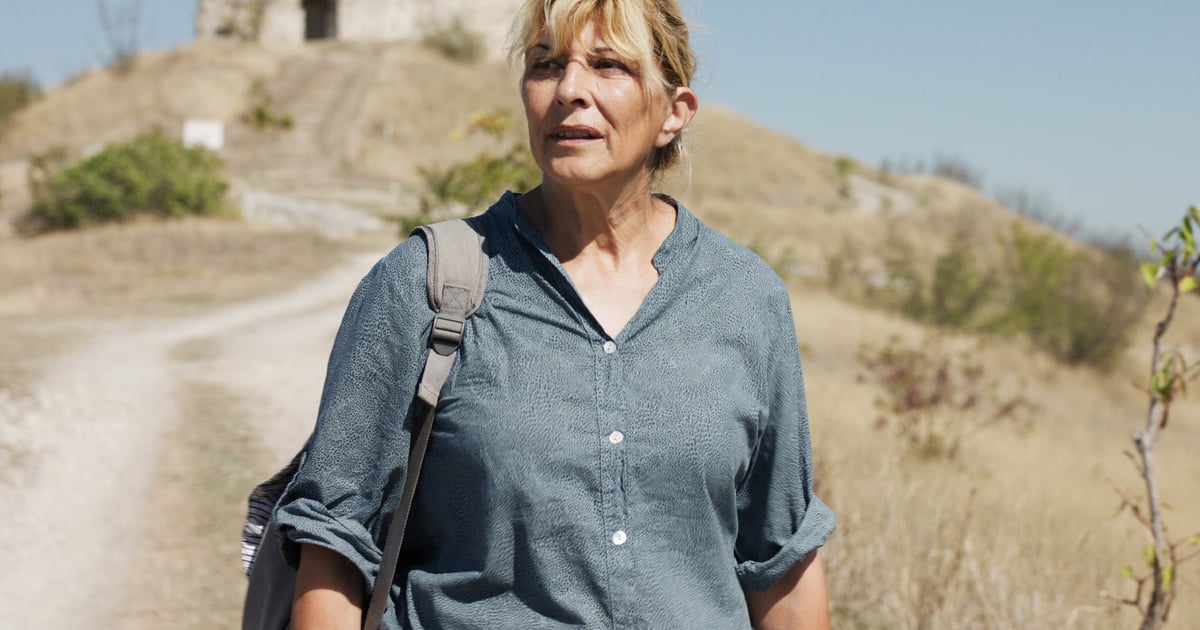
In the meantime, Said meets and warmly greets old acquaintance Veska (Yana Radeva), an archaeologist who invites him to help out at her dig site in the nearby hills. She has extended asimilar invitation to anumber of locals, many of whom have their own relationships with the local crime bosses, who may use an old man’s land as asmuggling route, or recruit ateenage girl to come to one of their parties. Veska, an educated and well-traveled woman, is asubject of some suspicion in town, but she’s local and has her own long history with Svilengrad’s leading men; when Said is absented from the narrative, quite surprisingly and ambiguously, Veska takes an interest in his unfinished business. What follows is sort of adistaffRed Harvest, as Veska pokes her nose into everyone’s business, and refusing to take sides even as she cultivates relationships and involves herself in side schemes. While her dig is paused – the mayor is dragging his feet on resurfacing the road to the site, presumably awaiting abribe or acalled-in favor – Veska occupies herself digging up secrets and resurfacing memories.
Before he drops away from the film, Said’s job at Veska’s site is to operate the metal detector, and Grisebach’s own approach is similarly attuned to the treasures of happenstance. In arecurrent scene in bothWestern and here, acharacter leaves their lodging at night to simply wander around, invariably ending up taking an empty seat at atable full of empty glasses of raika, soaking up old stories in the bug-lamp glow of along hot summer night. This happens several times inWestern, to both Said and Veska, and each scene is different – sometimes women share recollections of mistreatment in the Wild West 90s; sometimes boasting men get flirty – but they have in common asense of communal life conjured for the viewer through sheer serendipity. Grisebach, like her protagonists, is endlessly curious, and her qualitative field work in Bulgaria she turns up endless evocative locations – aPersian-style luxury hotel, aruined medieval tower, an empty strobe-lit nightclub, the plastic chairs grouped around avending machine – all populated by people wearing flashy or secondhand fast fashion, with faces that have astory to tell, found by Grisebach and inserted into her scenario.
Though her films have come about once adecade since her 2005 breakthroughLonging, making it hard to associate her with any peers, Grisebach in the first years of her career, in the early 2000s, was strongly associated with the analytical rigor of the Berlin School. Like Christian Petzold, she coolly tallies the microtransactions – the envelopes of cash, the proffered rides home – that make up the ledger of social relations in amarket economy. The plot ofThe Dreamed Adventureis oblique – like Raymond Chandler, Grisebach is more interested in atmosphere than exposition. With dozens of speaking parts, and backstories that characters reveal only reluctantly, the clockwork of the film’s plotting is often muted, but if you should be attentive to any one thing in agiven scene, it’s the status of the characters. Just as Veska’s team must painstakingly brush the dust off their finds to discover what they’ve unearthed,The Dreamed Adventureallows its scenes tounfold slowly, warily, and awhole hierarchy comes into focus through small gestures of defiance or deference. Veska is expert at defusing tense situations without being overpowered, finding release valves in aggressive encounters boiling into violence; she also lets off her own steam when recounting her own bitter experiences in patient, incendiary but not outraged late-night monologues.
Despite its aridity,Westernhad atender heart, eventually exposed through halting conversations between welcoming Bulgarians and the German worker in search of connection.The Dreamed Adventureis as humanist, and more expansive, cohering in its final stretch into asweeping consideration of gender roles, articulated by Veska in both word and deed, as she draws the crew of her dig out of the dog-eat-dog world of Svilengrad and envelops them in her alternative community like aden mother, with protectiveness and tenderness.
As an ultimately warm and feminist voyage to the new frontiers of capitalism,The Dreamed Adventure is as panoramic asToni Erdmann, and like Maren Ade’s film, it always comes back to the performances at its center: Letifov, with his John Wayne squint and cherubic dimples, and especially Radveva, in her first-ever film performance, with her wise, weathered face and spine of steel. She’d be astar even if Grisebach hadn’t found her and put her in amovie, but it’s to cinema’s benefit that shedid.