







































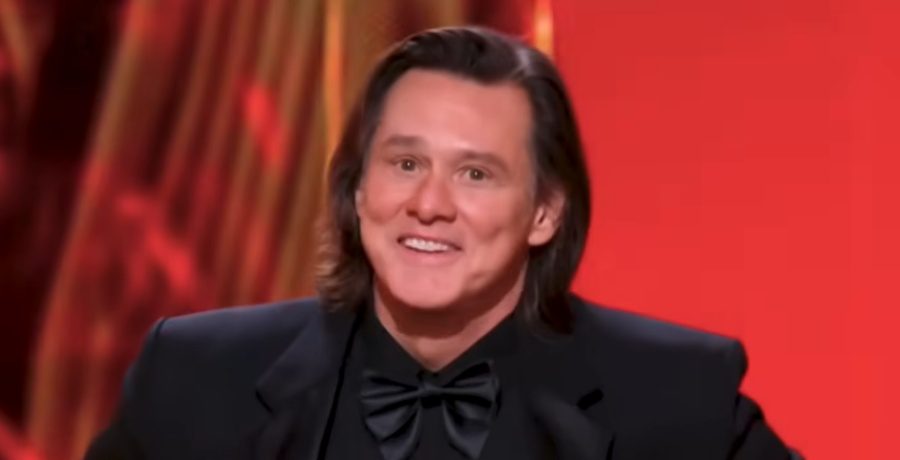



Howard Bloom has one of those careers that doesn’t move in a straight line—it zigzags, mutates, and keeps reinventing itself. Which tracks, because Bloom has spent his life obsessed with evolution, culture, and the invisible forces that drive human behavior.

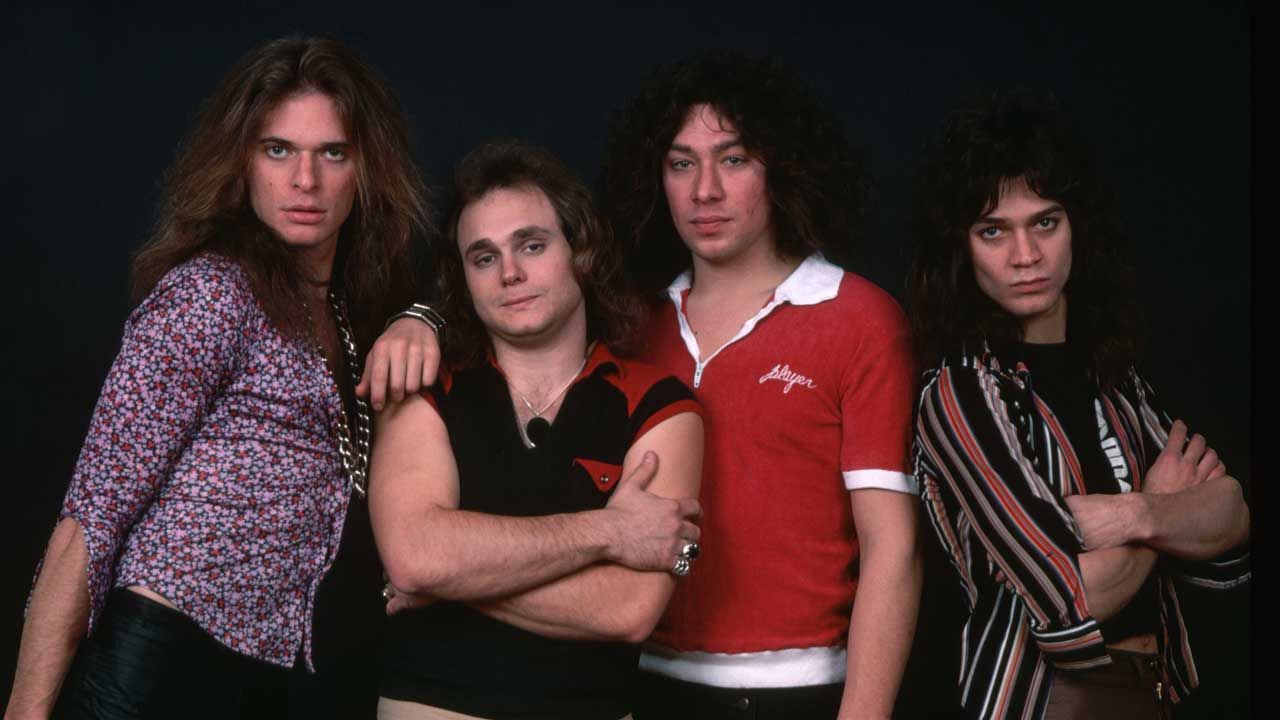
He first made his mark in the music industry, not onstage but behind the curtain, working as a publicist and strategist during rock’s wildest, least-regulated era. Long before “branding” became a boardroom word, Bloom was shaping narratives, media perception, and cultural momentum. Watching how artists became movements gave him an early, visceral education in mass psychology—how ideas spread, how tribes form, and why people follow stories more than facts.
Then he made a sharp left turn.
Bloom resurfaced as a science writer and cultural theorist, taking on questions most thinkers politely avoid. Why do civilizations self-destruct? Is violence an evolutionary bug—or a feature? Are humans independent actors, or are we cells inside a much larger organism? His work stitches together biology, physics, psychology, history, and sociology into arguments that feel less like theories and more like intellectual provocations.
His breakout book, The Lucifer Principle, rattled cages by arguing that evil isn’t an exception—it’s often the product of group behavior itself. That book set the tone for everything that followed. Bloom kept pushing boundaries with books like Global Brain, The Genius of the Beast, God Problem, and The Case of the Sexual Cosmos: Everything You Know About Nature Is Wrong, expanding his core thesis that humanity is part of a vast, unfinished evolutionary experiment—one driven as much by collective forces as individual will.

What makes Bloom stand apart from the average futurist is his refusal to sell comfort. He’s not peddling techno-utopia or apocalyptic panic. He’s curious, confrontational, and unapologetically complex. He treats science like a noir mystery and civilization like a barely self-aware creature stumbling toward its next mutation.
Beyond his books, Bloom has been a relentless communicator—through essays, lectures, interviews, and think pieces that translate heavyweight science into language that actually lands. His insights have influenced scientists, entrepreneurs, artists, and policymakers trying to make sense of a world that feels increasingly unstable and interconnected.
Howard Bloom’s career doesn’t resolve neatly—and that’s the point. He exists at the intersection of instinct and intellect, chaos and structure, past and future. He doesn’t hand out answers. He rewires the questions. And in an era addicted to certainty, that might be his most subversive achievement.
The official website for Howard Bloom may be found at https://howardbloom.net